
Broadpeak Celebrates 15 Years in 2025
This year, Broadpeak celebrates 15 years of shaping how video is delivered, streamed at scale, and monetized without limits. The company was founded on August 24th , 2010 as a Technicolor (now Vantiva) spin-off, by Jacques Le Mancq and five partners: Fabrice Bellanger, Dominique Colombel, Pierre-Jean Guéry, Pierre Parioleau, and Ronan Riou. Broadpeak was built around one goal: to create expert solutions for video distribution across IPTV, satellite, cable, OTT, and mobile networks. That vision turned into a company that now powers streaming for more than 250 million viewers across 50 countries.
From its start as a Vantiva (previously Technicolor) spin-off, selling IPTV delivery servers, to the launch of HyperPoPs for its CDNaaS offering, Broadpeak has grown from a specialist in CDN technology into a global leading provider of high-performance streaming software and services.
Nowadays, leading broadband service providers, content providers, and global streaming platforms use Broadpeak’s solutions to stream live events, scale new services, and increase revenues for streaming offerings, while improving efficiency and cutting costs. Along the way, Broadpeak took part in defining some of the most important shifts in video streaming: from the introduction of multicast ABR to the rise of SaaS-based workflows like broadpeak.io.
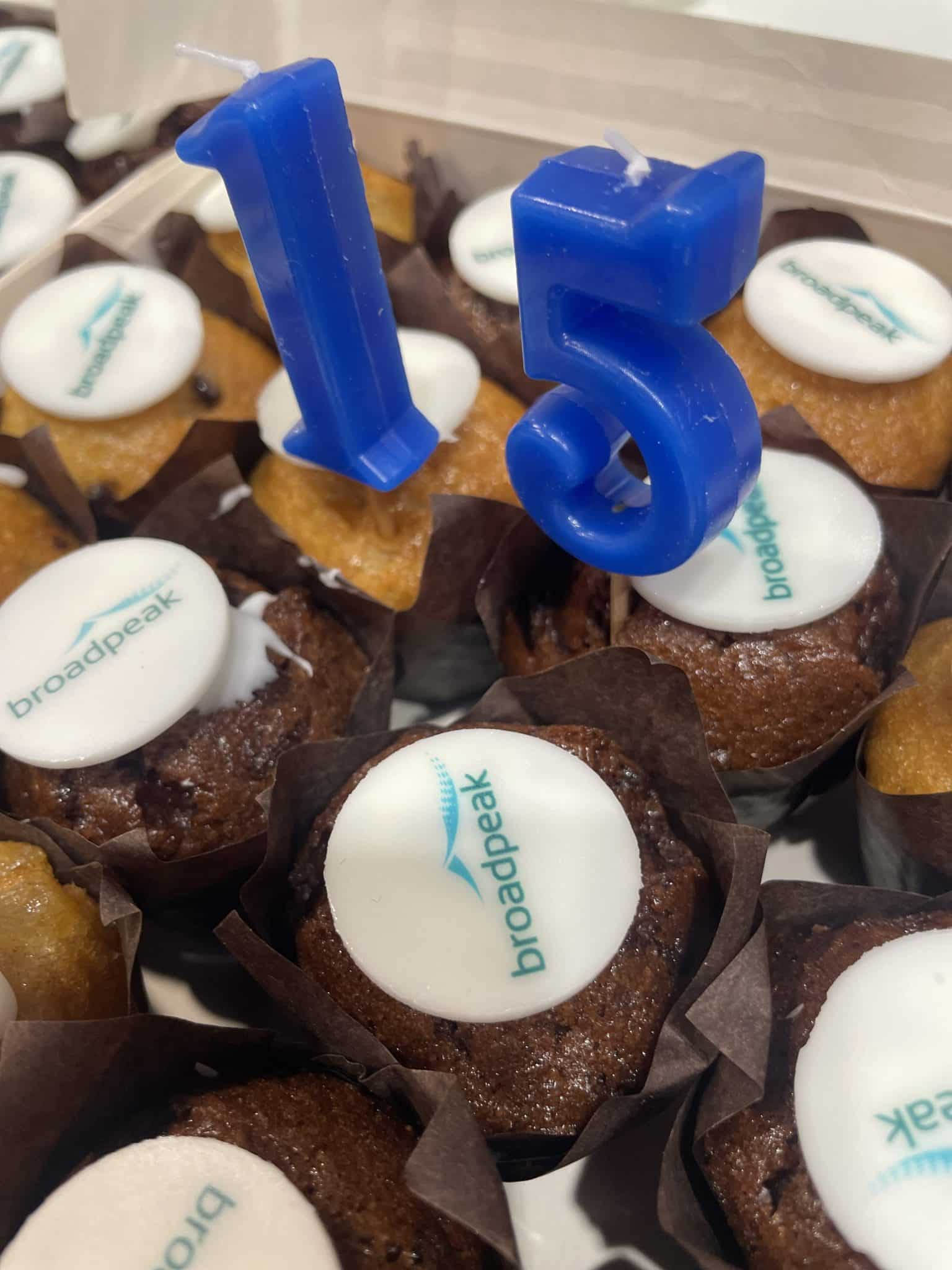
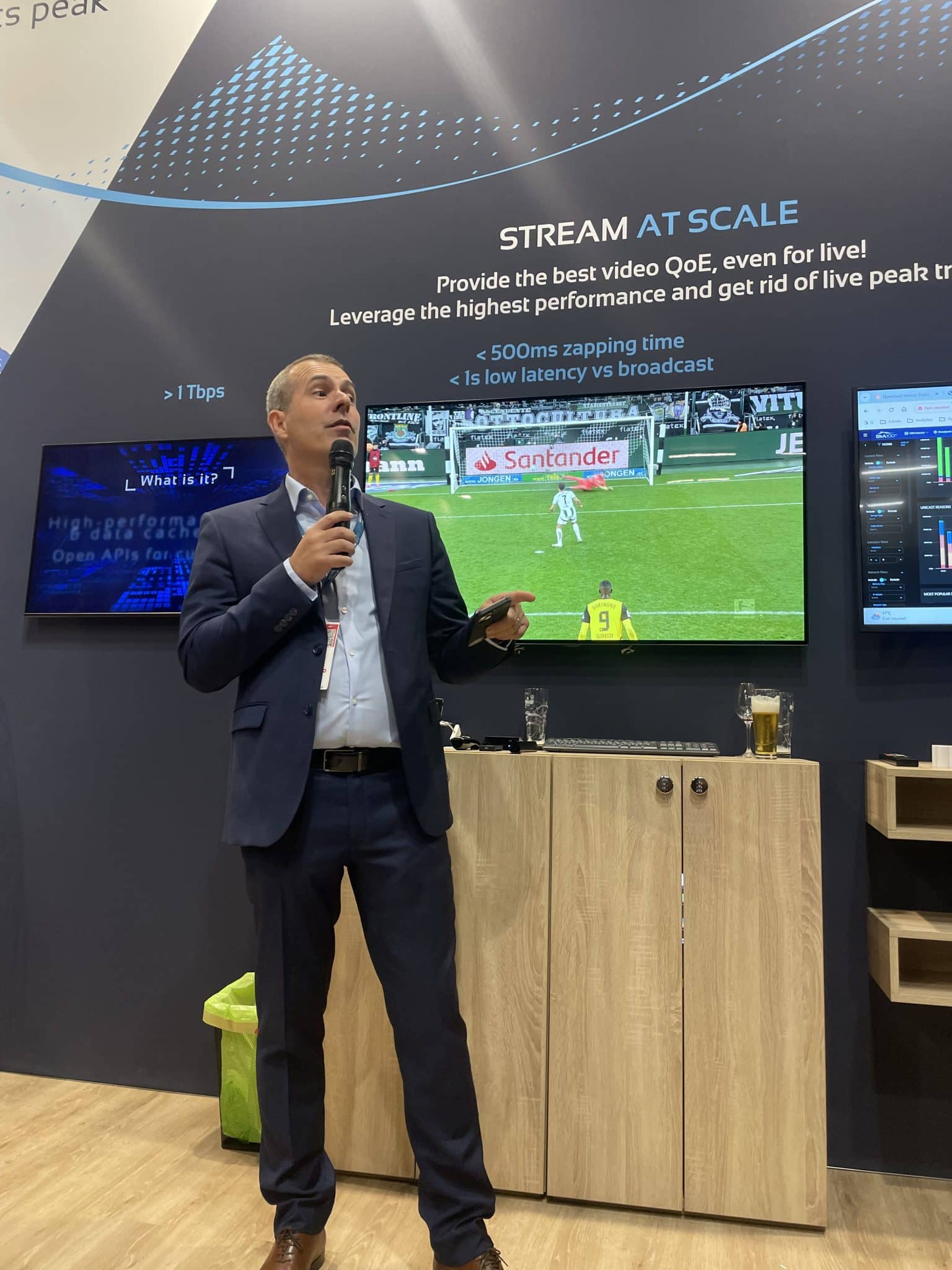
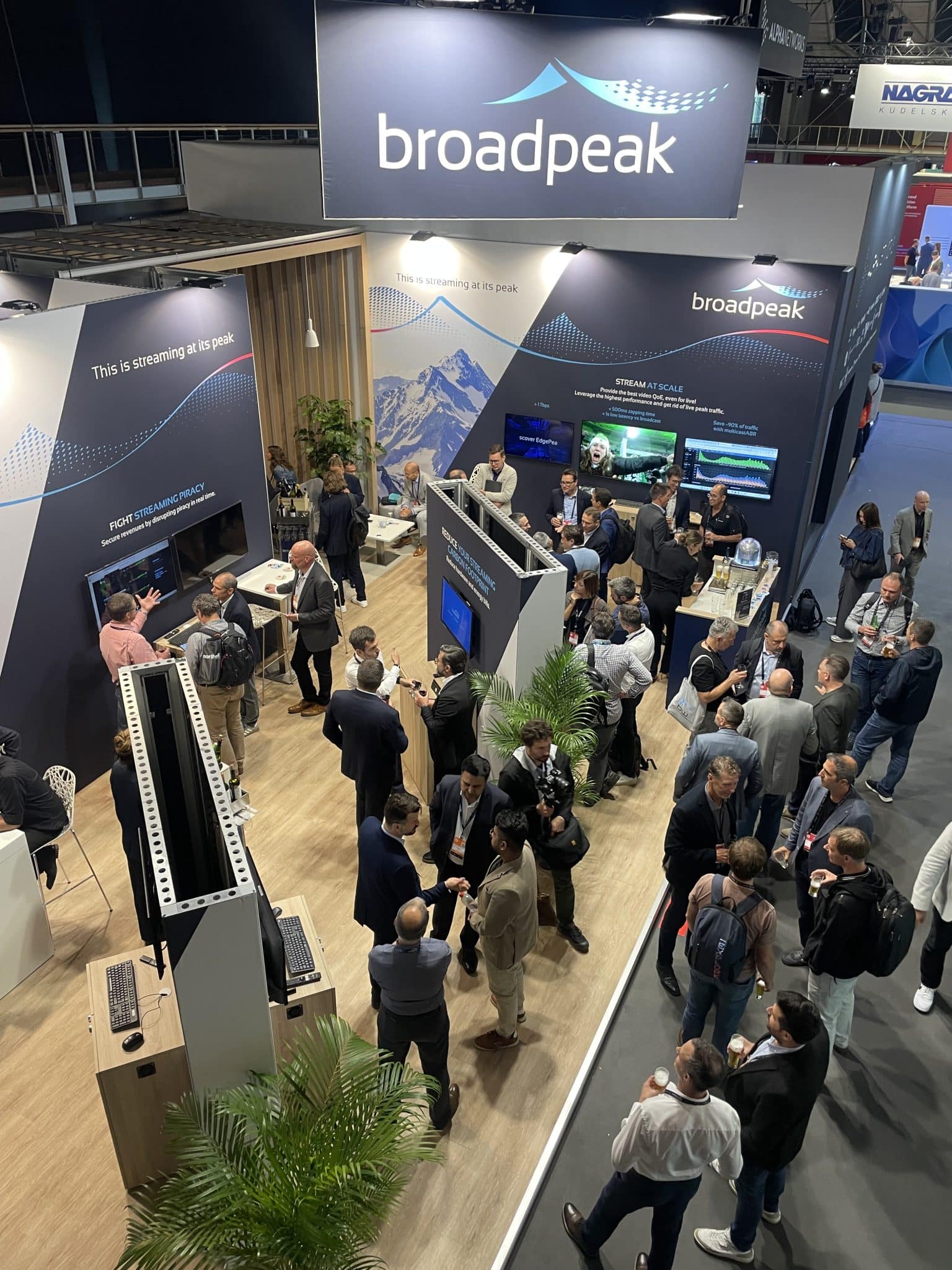
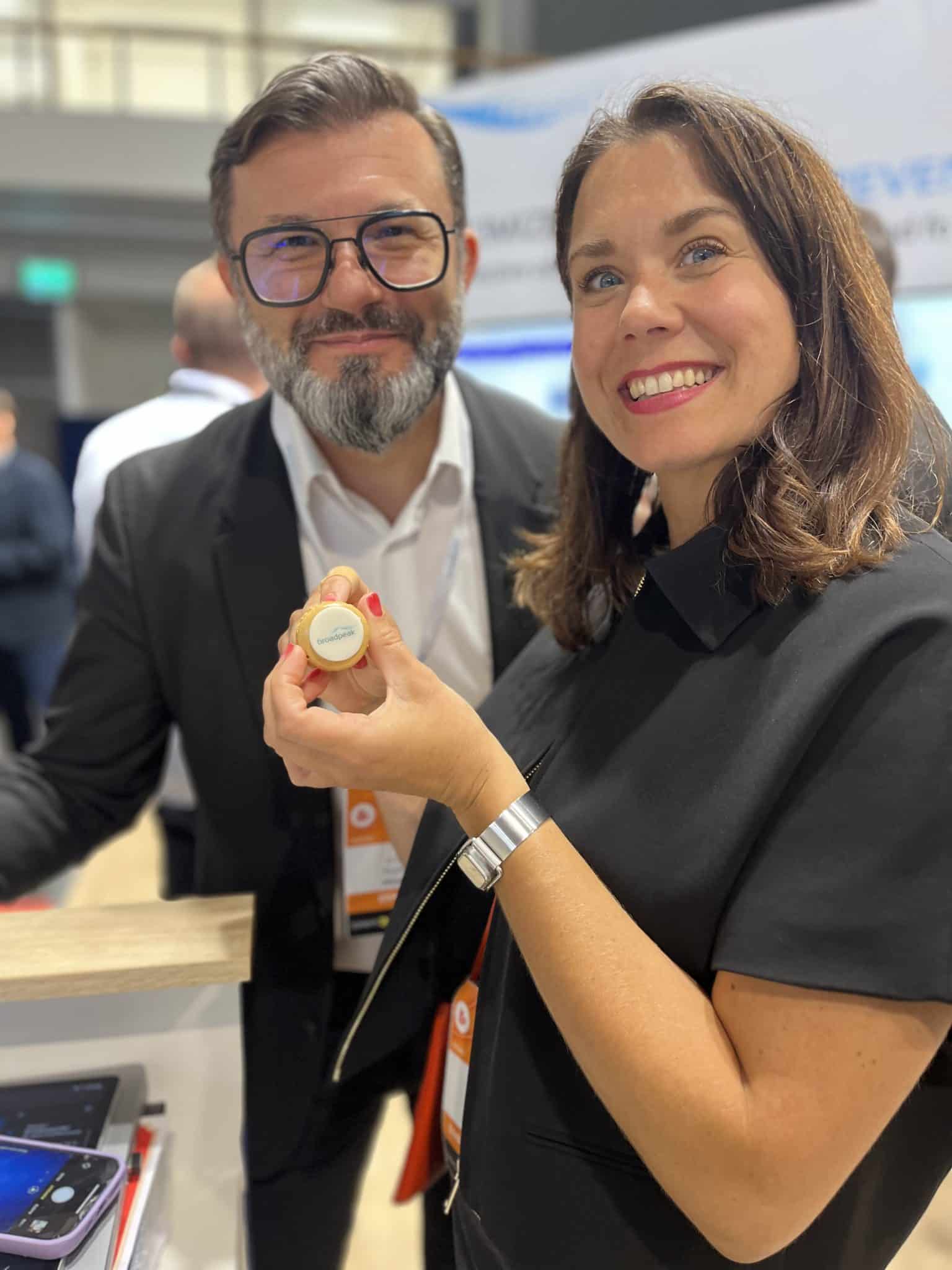
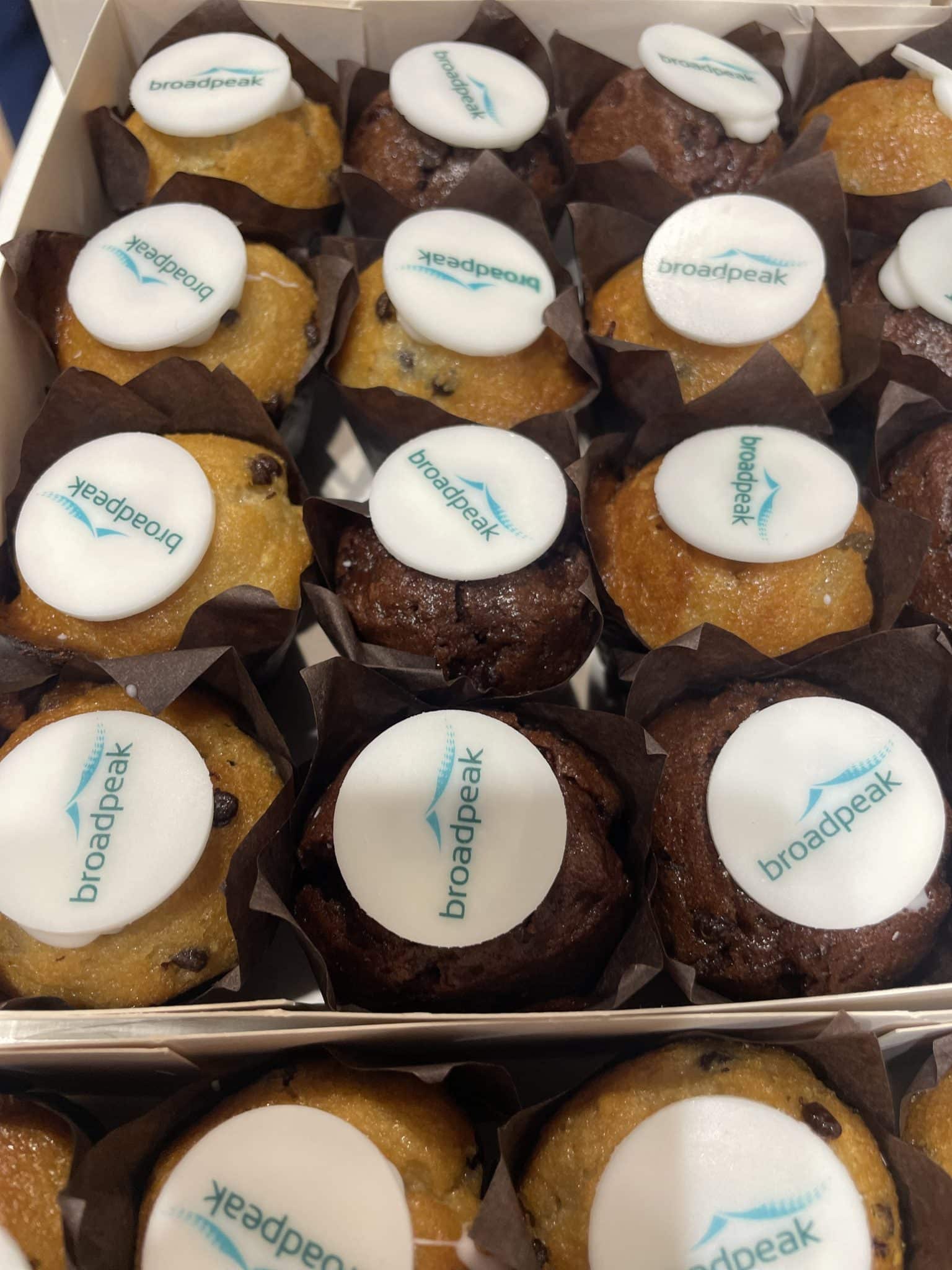
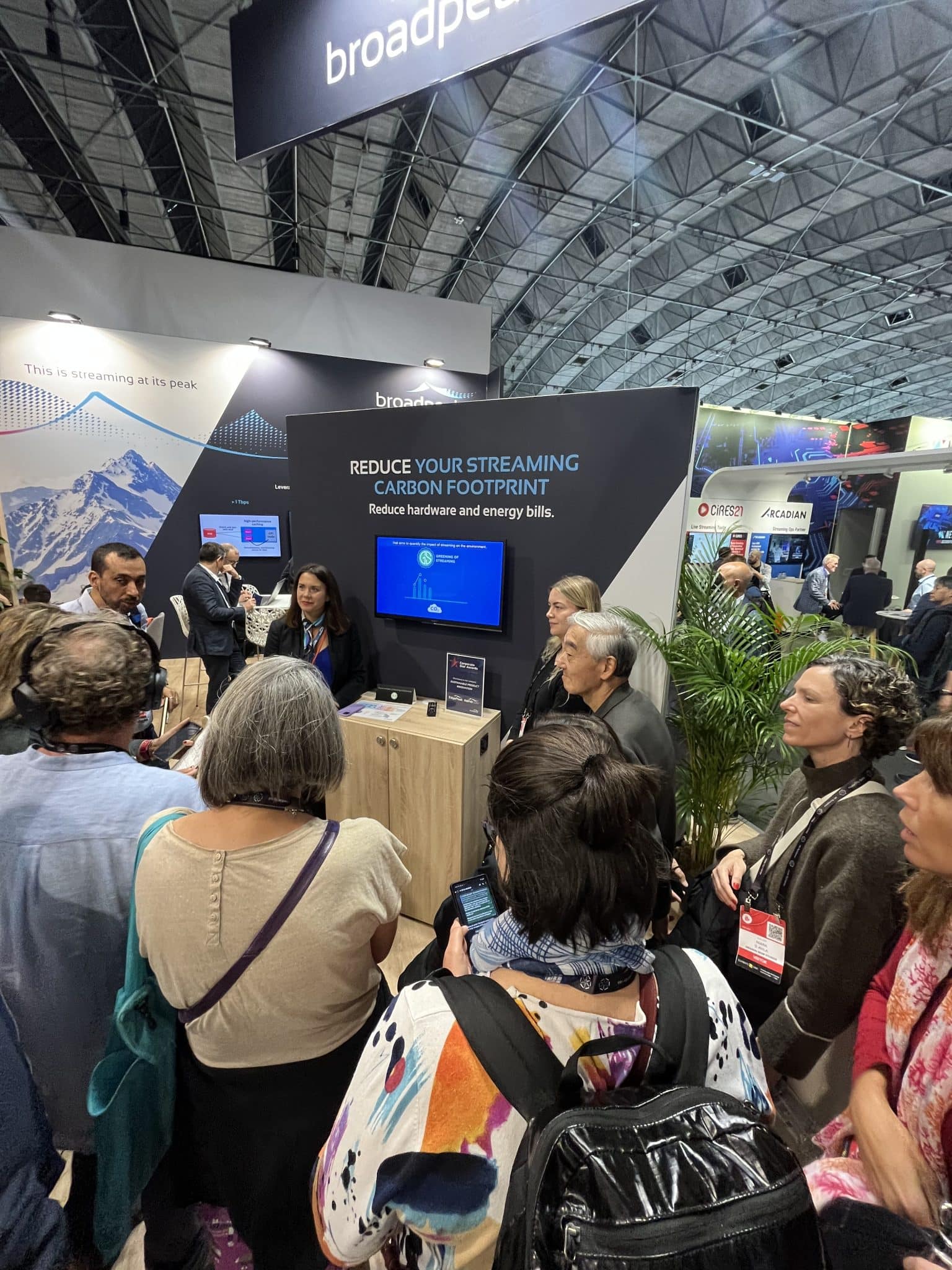
We recently marked this 15-year milestone at IBC 2025, celebrating with customers, partners, and colleagues. It was a moment to reflect on the journey and look ahead to the next chapter of streaming innovation.
Streaming Changed. So Did Broadpeak.
When the company launched in 2010, streaming was just beginning to evolve from desktop Flash players to adaptive bitrate delivery on connected devices with RTMP, Microsoft Smooth Streaming, Adobe HTTP dynamic streaming, Apple HLS and MPEG DASH formats.
Netflix had just expanded beyond the US, and video quality was tightly bound to CDN capacity. Broadpeak helped payTV operators manage that growth on their own terms, with software that put efficiency and control at the center.
By 2012, as the iPad and mobile video viewing pushed expectations for “TV anywhere,” Broadpeak launched multicast ABR, a more scalable way to deliver video to large audiences on any screen over IP networks. That same year, the company opened a regional office in Singapore, anticipating the growing demand for IPTV and OTT infrastructure in Asia.

When Broadpeak settled in the US in 2015, the streaming model was maturing fast. SVOD platforms were scaling globally, but operators were still searching for ways to deliver live content cost-effectively. Broadpeak’s deployments with Astro, Partner, and HBO LATAM reflected a broader shift toward hybrid delivery, bringing IP, satellite, and broadcast together under one operational model.
This was also the period when virtualization and software-defined video workflows began to take hold. Broadpeak began preparing for software-defined delivery early, adapting its stack for virtualized and containerized environments as Docker and Kubernetes emerged, before cloud-native streaming became mainstream. That is, we started adapting our delivery stack for cloud-ready and containerized deployments, anticipating how flexibility and automation would soon define video operations. In parallel, the introduction of HEVC (H.265) allowed higher-resolution streaming without the same bandwidth cost, reinforcing the efficiency focus that guided Broadpeak’s choices.
By 2019, as streaming became primary viewing mode, Eutelsat’s €10 million investment underscored market confidence in Broadpeak’s network-grade software. The following year, the first DVB mABR specification formally recognized the multicast ABR approach that Broadpeak and its early operator partners had been validating for years.
2020 also marked Broadpeak’s entry into the Streaming Video Technology Alliance (SVTA), where we contribute to open-caching and interoperability initiatives defining the next phase of streaming delivery. As part of SVTA and other key technical alliances, we help shape standards for open caching, low-latency streaming, and more energy-efficient delivery.
When lockdowns in 2020 drove an unprecedented surge in video traffic, Broadpeak’s multicast ABR and cloud DVR solutions helped major operators, including Orange, Megacable, and Cetin, absorb the spike efficiently, proving the scalability of its architecture under real-world pressure.
In 2021, as streaming platforms began partnering more actively with telcos to improve quality of experience, Broadpeak’s collaboration with DAZN and TIM highlighted how the company built on its expertise to enhance the viewer experience.
The launch of broadpeak.io, Broadpeak’s SaaS platform, in 2022 marked a new phase. Streaming workflows were moving to the cloud. The SaaS addition to Broadpeak’s offering gave video service providers API-based access to advanced tools like ad insertion and content replacement, without infrastructure headaches. The same year, Broadpeak raised €20 million on Euronext Growth Market to accelerate development.
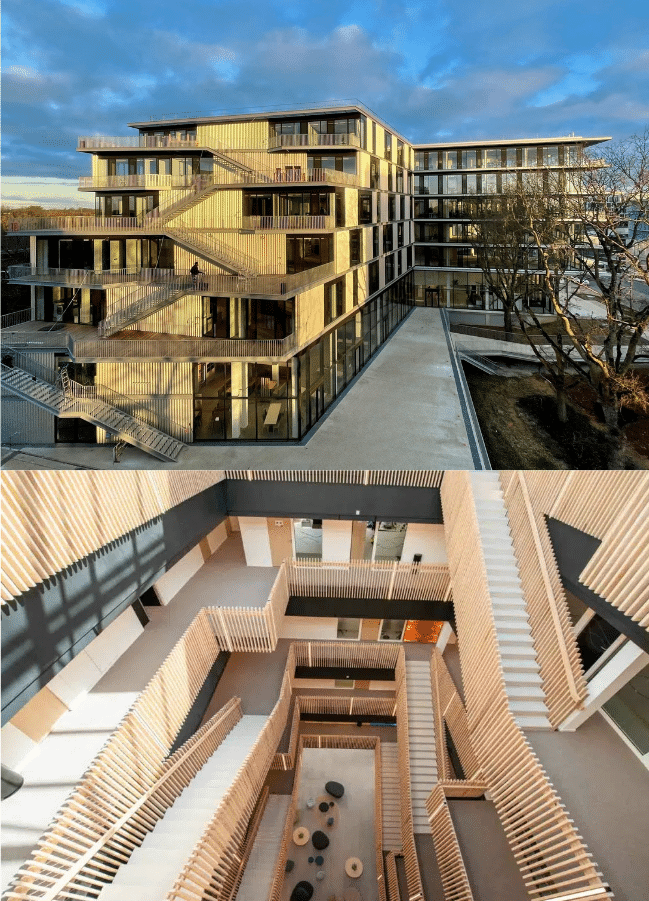
In 2024, the opening of its first headquarters in a brand-new custom-built building, called The Peak, symbolized a new stage of maturity. Strategic wins with BT Group and TF1 reinforced Broadpeak’s role as a trusted partner in the transition to next-generation broadcast over IP.
By 2025, Broadpeak had formal carbon reduction targets approved by the SBTi and continued to apply the same engineering discipline to sustainability that it has long applied to performance. As energy consumption grows as a defining factor in large-scale video delivery, efficiency in software and infrastructure remains a constant focus in Broadpeak’s technology development.
This focus goes hand in hand with Broadpeak’s broader role in shaping the streaming ecosystem. The company has been contributing not only to sustainability but also to major technical initiatives through active involvement in DASH-IF, SVTA, DVB, RDK, IAB Tech Lab, ACA Connects, Image & Réseaux, and Greening of Streaming. These collaborations allow Broadpeak to influence standards, improve interoperability, and promote more energy-efficient delivery models across the industry.
Always on Top of the Trends
Solving the Scale Problem in Live Sports Streaming
Streaming live sports at scale with high quality and low latency is one of the toughest challenges in the industry today. As audiences grow and expectations for instant, flawless delivery rise, networks struggle to handle the surge in traffic during major events. The problem is compounded by the need to grow capacity sustainably, without adding endless infrastructure or energy use.
Broadpeak was ahead of this curve more than a decade ago. In 2012, we introduced multicast ABR (mABR). Since then, mABR has become the benchmark for reliable large-scale streaming. It turns unicast chaos into one-to-many efficiency.
Our nanoCDN® mABR solution, cuts traffic by up to 90% while keeping streams smooth and synchronized, even at peak load. The benefits are most visible in live sports, where millions of viewers tune in at once. Netflix’s Paul/Tyson fight in 2024, which drew 120 million viewers, showed how unicast delivery still buckles under pressure, with freezes and delays across devices. Broadpeak’s mABR avoids those breakdowns completely.
In 2025, we launched EdgePeak™, designed for an era where capacity needs are higher than ever, but energy efficiency matters just as much. It extends our edge architecture to scale more sustainably, keeping performance high without adding unnecessary power or infrastructure costs.
With new services like ESPN Unlimited and Fox One bringing huge sports portfolios online, nanoCDN and EdgePeak give operators what they need: stable, high-quality, and sustainable live streaming at any scale.
More Engaging Streaming Advertising
Advertising in streaming is shifting fast — more personalization, more formats, more interactivity. Viewers expect ads that feel relevant and seamless, not disruptive. Media companies must now run targeted campaigns across devices in real time and finally make streaming more profitable.
Broadpeak anticipated this move with the launch of broadpeak.io in 2022, our SaaS platform built to give media companies API-based access to advanced streaming workflows such as server-side ad insertion (SSAI), blackout management, and content replacement.
By 2024, TF1 used it to deliver addressable advertising on TF1+, a first in France at the spot level. That same year we introduced Click2®, an interactive ad format that lets viewers act on ads without leaving the stream.
Recognized with the IABM BaM Award, amongst other prizes, it brings performance-driven advertising into connected TV. Deployed with operators from i-CABLE to RMC-BFM and Media Prima, broadpeak.io shows how cloud-native workflows can make streaming more profitable and flexible.
We keep experimenting at the edge of streaming monetization, as shown by broadpeak.io’s latest project, which takes connected TV ads a step further using AI to create and place L-Banners. The goal is simple: smarter targeting, better context, and new inventory that works for both viewers and advertisers.
As the industry moves toward Media over QUIC (moq) and AI-driven delivery, Broadpeak’s edge architecture and SaaS tools are built to adapt, ready for the next wave of streaming protocols.
Streaming Security Matters More Than Ever
As streaming grows, so does piracy. Live sports, premium content, and exclusive events are constant targets. Piracy costs content providers over $113 billion by 2027 in the US alone. Attacks are more sophisticated, and credential sharing, token abuse, and DDoS incidents now threaten both service quality and revenue. Protecting content at scale has become a top priority for media companies.
We saw this coming. Our CDN technology has always focused on performance and control, and we extended that expertise into security. At IBC 2025 we launched our CDN security and anti-piracy solution, built specifically for high-scale streaming. Integrated into Broadpeak’s CDN, it adds multi-layered protection against credential sharing, token abuse, scraping, and DDoS attacks. Unlike generic CDN features, it is designed with video-specific intelligence to protect millions of concurrent streams in real time.
Available on-premise or via CDNaaS, it gives streaming providers the protection they need to secure their services and sustain growth in an increasingly hostile environment.
At Our Peak in 2025: From Spin-Off to Streaming Tech Leader
What began as a response to network constraints has become a full portfolio of software and services that power monetization and streaming at scale with high quality of experience.
In 2025, Broadpeak stands as a key industry partner, trusted by operators, broadcasters, and content providers to deliver better performance, smarter monetization, and future-ready technology. Fifteen years later, the mission hasn’t changed. Stream at scale. Monetize without limits.
We’re proud of this journey, and grateful to everyone who’s been part of it: the Broadpeak team, our customers, partners, friends, and industry colleagues. Thank you for your trust, your collaboration, and your belief in what we do. As streaming grows more complex, our focus stays the same: making it simpler, faster, more reliable and more sustainable for all.
Stay ahead with Broadpeak updates