
Monetizing Networks at MWC 2026: The Technology is There, But One Question Remains
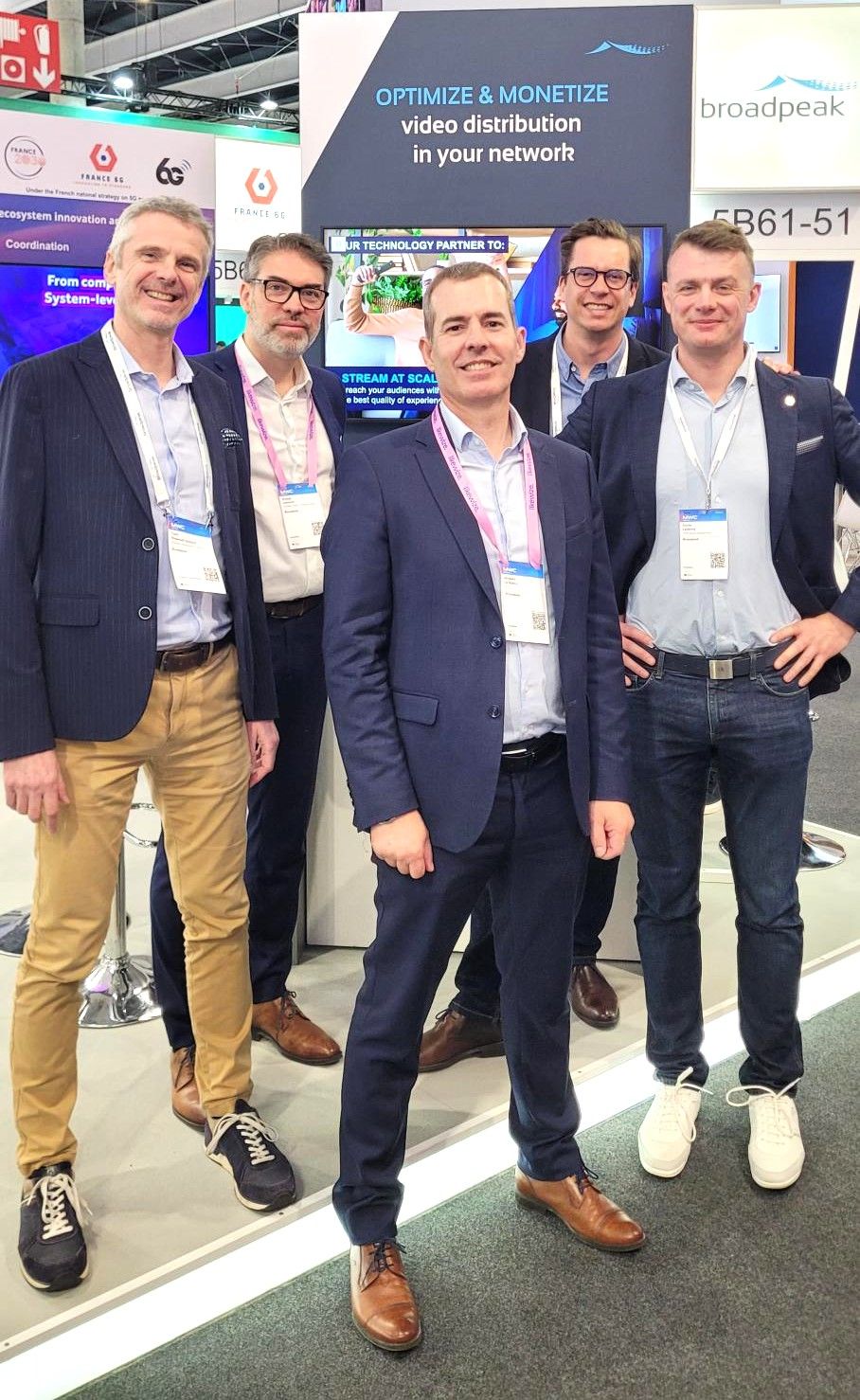
Mobile World Congress in Barcelona once again gathered the global telecom ecosystem, bringing together operators, technology vendors, and digital innovators. From AI-powered networks to new device interfaces, this year’s event demonstrated that the telecom industry is entering a new technological phase.
Several themes clearly stood out across the show floor. Artificial intelligence continues to evolve rapidly, with a shift from simple chatbots to agentic AI systems capable of autonomously performing complex tasks across applications. At the network level, the industry is moving toward AI-native infrastructures, where networks can optimize and adapt themselves in real time.
Connectivity itself is also expanding beyond terrestrial networks. Non-Terrestrial Networks (NTN) and direct-to-device satellite connectivity are becoming a core part of operator strategies, enabling hybrid connectivity models where devices can seamlessly switch between cellular and satellite networks.
At the same time, AI is increasingly embedded in physical devices going from experimental concepts to practical tools for both industry and everyday users. New interfaces are also emerging, with smart glasses powered by AI and real-time computer vision positioning themselves as a potential successor to the smartphone for interacting with digital services.
Finally, one theme stood out amid today’s complex geopolitics: digital sovereignty. Operators, governments, and tech providers are increasingly building local AI, edge and content delivery infrastructures to keep data secure and compliant within regional borders.
While these innovations captured much of the attention at MWC 2026, they also highlight a broader challenge facing the telecom industry today. Operators have invested heavily in networks, from fiber and 5G to edge infrastructure, but the key question remains: how can they effectively monetize these investments?

From Network Investments to New Revenue Opportunities
Turning these investments into sustainable revenue is now the central challenge for operators and this topic surfaced repeatedly during discussions across MWC 2026.
As connectivity becomes increasingly commoditized, networks are evolving beyond simple data transport. Operators are exploring how their infrastructure can support new services and capture more value from the traffic already flowing through it.
One of the clearest opportunities lies in video delivery. Video streaming represents the largest share of internet traffic, driven by OTT platforms, live events, connected TV, and multiscreen viewing.
By offering video delivery services to content providers (streaming platforms, OTT aggregators, broadcasters having a Direct-to-Consumer app) directly from within their networks, leveraging technologies such as on-net edge caching, intelligent traffic management, and multicast ABR, operators can transform video traffic into a revenue-generating service
By positioning themselves within the streaming value chain, operators can also capture a share of the growing digital advertising market, thanks to targeted advertising and the creation of new ad inventories.
Finally, they can offer anti-piracy services to content providers and right holders to protect their revenue .
In this context, video is no longer just traffic to manage. It is becoming a strategic asset for operators looking to unlock new sources of revenue, particularly when video delivery infrastructure is deployed directly inside their networks.
At MWC, Strong Interest in New Video Monetization Approaches
Among the thousands of companies present at Mobile World Congress, only a small number were focusing specifically on the challenges of large-scale video delivery.
At our booth, as specialists in video-focused technologies, the conversations during the event naturally centered on streaming. Our demos showcased new technologies that enable operators to better leverage their infrastructure to support new digital services and toextract more value from their networks while responding to the growing demand for high quality streaming experiences.
Many discussions also focused on CDN-as-a-Service models, where specialized video CDNs are deployed inside operator networks to deliver streaming services for third-party platforms at scale.
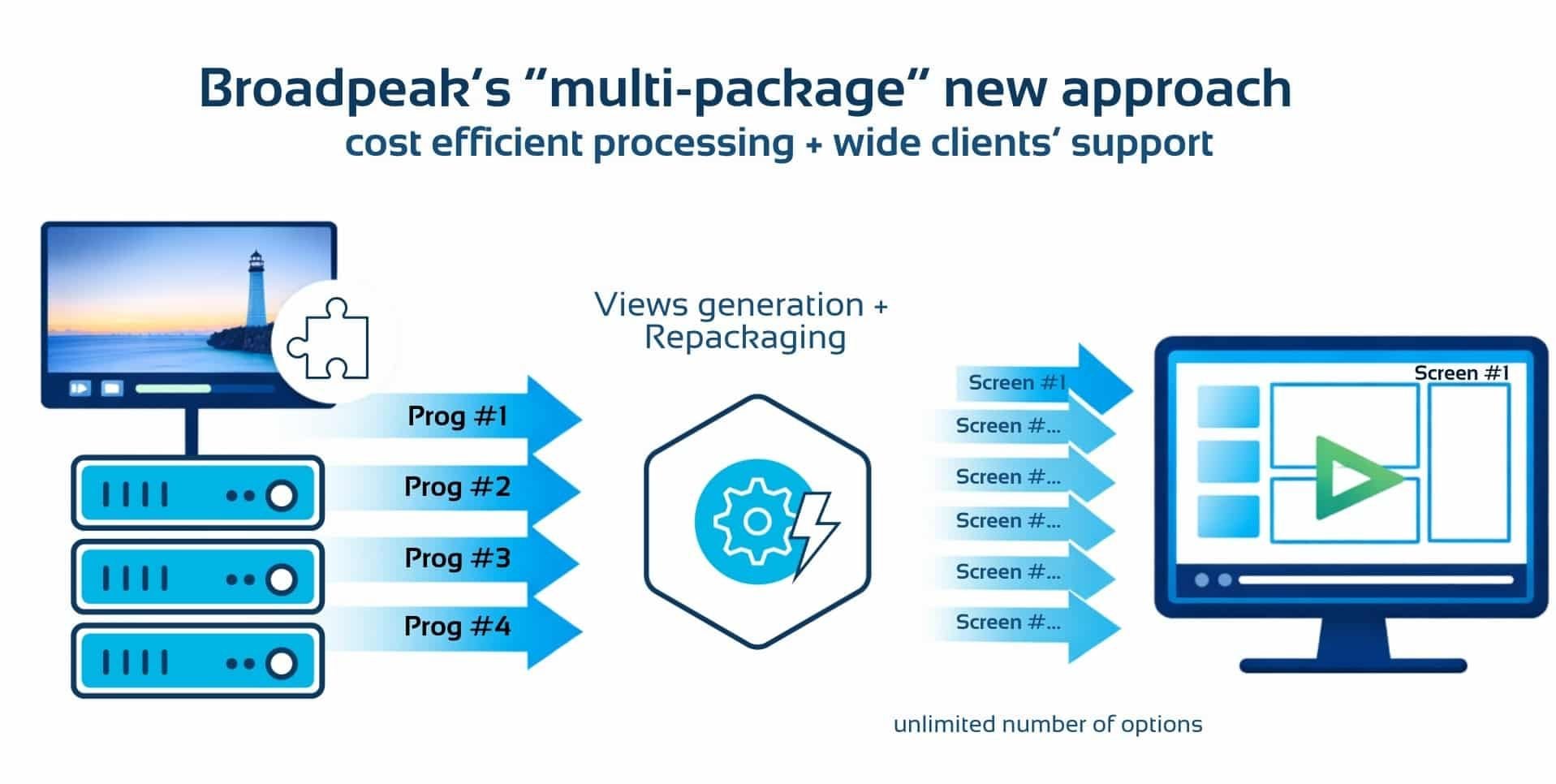
The strong interest around several innovations presented during the event confirmed the growing focus on video as a driver of new revenue opportunities for operators. One example is a new approach to multiview streaming, designed to extend the reach of this increasingly popular viewing format while reducing the cost of delivering it at scale. Multiview is gaining traction, especially for live sports and major events where audiences want to follow multiple camera angles or matches simultaneously.
Another topic that generated significant attention was the fight against CDN leeching, a piracy technique where unauthorized platforms reuse legitimate CDN streams to redistribute content without authorization. Combating this type of abuse requires more than generic CDN security. Solutions such as Broadpeak’s video-focused CDN anti-piracy capabilities are designed specifically to detect suspicious streaming behaviors, block token abuse, and protect high-value live streams at scale. This kind of specialized approach helps operators and content providers safeguard network capacity while protecting the value of premium content and the revenue tied to it.
Innovative advertising formats for streaming environments also sparked strong interest. As streaming platforms continue to evolve, new interactive and personalized ad experiences can significantly increase viewer engagement while creating additional revenue opportunities for operators, broadcasters, and advertising partners across the streaming value chain.

One conclusion that emerged from these discussions is that monetizing video at scale cannot rely on generic content delivery infrastructure alone. Delivering high-quality streaming services requires technologies specifically designed for video, solutions that help operators scale efficiently, maintain consistent quality of experience, and enable new monetization models around streaming.
For many operators, this represents an important shift in perspective. In the past, networks were largely viewed as transport layers carrying video traffic generated by external platforms. Today, however, there is growing recognition that operators can play a more active role in the streaming ecosystem by aligning their infrastructure capabilities with the needs of content providers, video services, and advertising stakeholders.
By doing so, operators can move beyond simply transporting video traffic and begin to capture more value from it, turning the massive volumes of streaming flowing through their networks into tangible revenue opportunities.
MWC 2026 made one thing clear: the future of telecom is not just about building networks, but about unlocking the full value of what runs on them. Video sits right at the center of that transformation.